The BEST episodes directed by Ken Burns
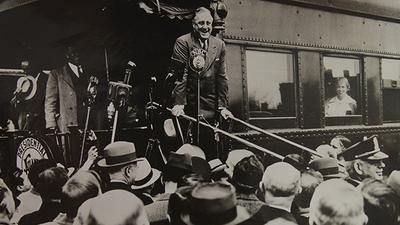

#1 - The Rising Road (1933–1939)
The Roosevelts: An Intimate History - Season 1 - Episode 5
FDR brings the same optimism and energy to the White House that his cousin Theodore displayed. Aimed at ending the Depression, his sweeping New Deal restores the people's self-confidence and transforms the relationship between them and their government. Eleanor rejects the traditional role of first lady, becomes her husband’s liberal conscience and a sometimes controversial political force.
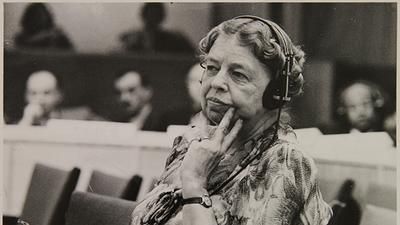
#2 - A Strong and Active Faith (1944–1962)
The Roosevelts: An Intimate History - Season 1 - Episode 7
Frail and failing but determined to see the war through to victory, FDR wins re-election and begins planning for a peaceful postwar world, but a cerebral hemorrhage kills him at 63. After her husband's death, Eleanor Roosevelt proves herself a shrewd politician and a skilled negotiator in her own right, as well as a champion of civil rights, civil liberties and the United Nations.
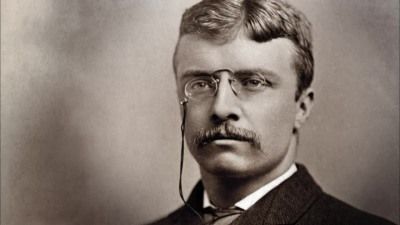
#3 - Get Action (1858–1901)
The Roosevelts: An Intimate History - Season 1 - Episode 1
A frail, asthmatic young Theodore Roosevelt transforms himself into a champion of the strenuous life, loses one great love and finds another, leads men into battle and then rises like a rocket to become the youngest president in American history at 42. Meanwhile, Franklin Delano Roosevelt, brought up as the pampered only child of adoring parents, follows his older cousin’s career with fascination.
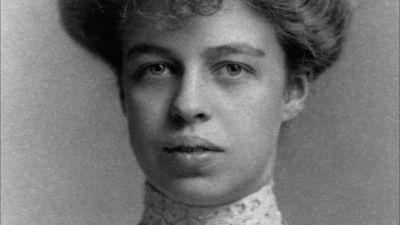
#4 - In the Arena (1901–1910)
The Roosevelts: An Intimate History - Season 1 - Episode 2
Murder brings Theodore Roosevelt to the presidency, but in the seven years that follow, he transforms the office and makes himself perhaps the best-loved of all presidents, battling corporate greed, preserving American wilderness, carrying the message of American might around the world. FDR weds Eleanor Roosevelt, and jumps at the chance to run for the New York state senate.
#5 - The Gift (1917–1924)
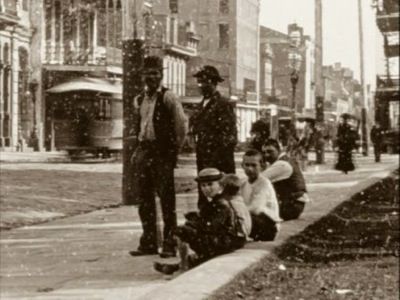
Jazz - Season 1 - Episode 2
How can one explain the genius of a Louis Armstrong or Duke Ellington? Blessed with skill and talent far exceeding their peers, one can only define what they possess as a gift from the gods. These early portraits are imperative, because both figures have been so canonized that it is easy to forget the significance of their gifts.
#6 - The Common Cause (1939–1944)
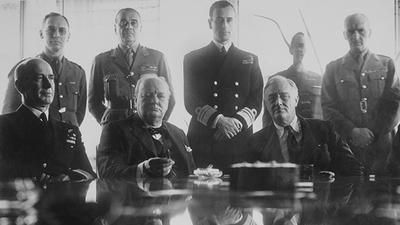
The Roosevelts: An Intimate History - Season 1 - Episode 6
FDR shatters the third-term tradition, struggles to prepare a reluctant country to enter World War II and, after the Japanese attack on Pearl Harbor, helps set the course toward Allied victory. Meanwhile, Eleanor struggles to keep New Deal reforms alive in wartime, and travels the Pacific to comfort wounded servicemen.
#7 - Gumbo (Beginnings to 1917)
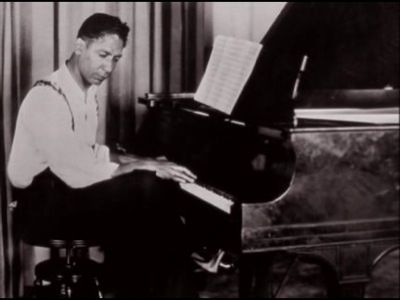
Jazz - Season 1 - Episode 1
"Gumbo" traces the roots of jazz from the 1800s to 1917. The viewer will catch glimpses of Jelly Roll Morton, who erroneously claimed to have invented jazz, and the tragic, though influential, figure of trumpeter Buddy Bolden.
#8 - The Storm (1920–1933)
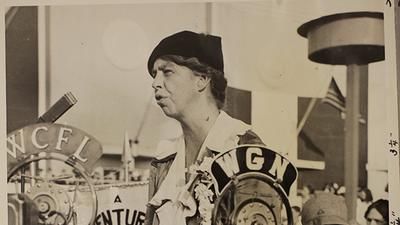
The Roosevelts: An Intimate History - Season 1 - Episode 4
Franklin Roosevelt runs for vice president in 1920 and seems assured of a still brighter future until polio devastates him. He spends seven years struggling without success to walk again, while Eleanor builds her own personal and political life of. FDR returns to politics in 1928 and acts with such vigor during the first years of the Great Depression that the Democrats nominate him for president.
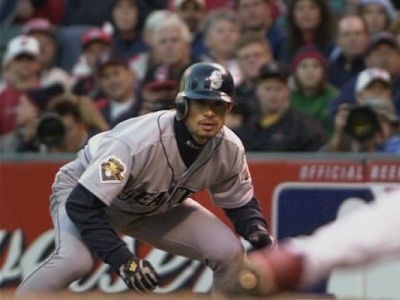
#9 - Bottom of the Tenth
Baseball - Season 2 - Episode 2
Ken Burns' follow-up to "Baseball" concludes with a look at dominating pitchers like Pedro Martinez, Japan's first MLB star, Ichiro Suzuki; the comfort provided by the game after the 9/11 attacks; revelations about performance-enhancing drugs; the Red Sox-Yankees rivalry; and Boston's World Series victory.
Watch Now:Apple TV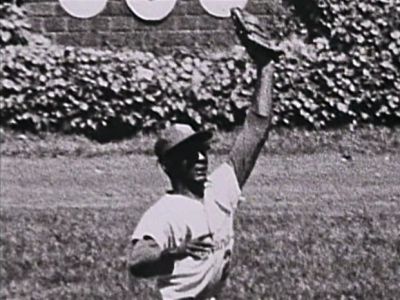
#10 - Ninth Inning: Home
Baseball - Season 1 - Episode 9
Ninth Inning, Home, looks at baseball from the 1970s to the present, including the establishment of the free agent system, the rise in player salaries, the continued expansion, the dilution of talent, the ongoing battles between labor and management and the scandals. The documentary ends with an ironic claim that baseball, and indirectly the World Series, could never be stopped. The 1994 World Series, the series to be played the year the film was aired, was canceled due to a players' strike.
Watch Now:Apple TV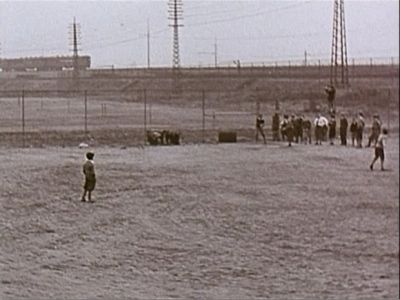
#11 - Fifth Inning: Shadow Ball
Baseball - Season 1 - Episode 5
Fifth Inning, Shadow Ball, tells the story of the Negro Leagues in the 1930s. The title refers to a common pre-game feature in which the players staged a mock game with an imaginary ball. Though unintended, the pantomime was an apt metaphor for the exclusion of blacks from major league play at that time.
Watch Now:Apple TV
#12 - Sixth Inning: The National Pastime
Baseball - Season 1 - Episode 6
Sixth Inning, The National Pastime, covers the 1940s and includes Joe DiMaggio's celebrated hitting streak, the awe-inspiring performance of Ted Williams and what Burns calls "baseball's finest moment" — the debut of Jackie Robinson, who broke the color barrier as a member of the Brooklyn Dodgers in 1947.
Watch Now:Apple TV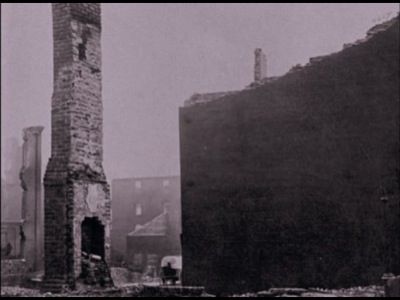
#13 - War is All Hell (1865)
The Civil War - Season 1 - Episode 8
The episode begins with William Tecumseh Sherman's brilliant march to the sea, which brings the war to the heart of Georgia and the Carolinas and spells the end of the Confederacy. In March, following Lincoln's second inauguration, first Petersburg and then Richmond finally fall to Grant's army. Lee's tattered Army of Northern Virginia flees westward towards a tiny crossroads town called Appomattox Court House. There the dramatic and deeply moving surrender of Lee to Grant takes place. The episode ends in Washington where John Wilkes Booth begins to dream of vengeance for the South.
Watch Now:Apple TV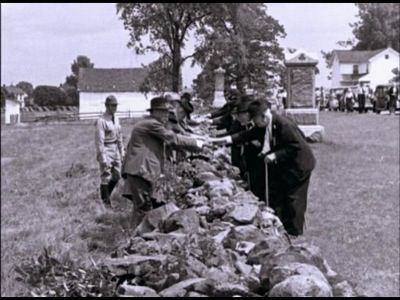
#14 - The Better Angels of Our Nature (1865)
The Civil War - Season 1 - Episode 9
This extraordinary final episode of The Civil War begins in the bittersweet aftermath of Lee's surrender and then goes on to narrate the horrendous events of five days later when, on April 14, Lincoln is assassinated. After chronicling Lincoln's poignant funeral, the series recounts the final days of the war, the capture of John Wilkes Booth and the fates of the Civil War's major protagonists. The episode then considers the consequences and meaning of a war that transformed the country from a collection of states to the nation we are today.
#15 - Second Inning: Something Like a War
Baseball - Season 1 - Episode 2
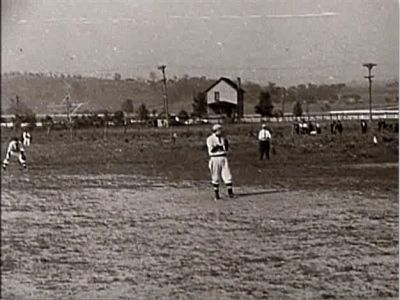
Second Inning, Something Like a War, takes viewers through 1910 and introduces some of the game's most celebrated and colorful characters, including Ty Cobb, Honus Wagner, Christy Mathewson and Walter Johnson., and includes the formation of the American League and its integration with the National League, culminating in the establishment of the World Series.
Watch Now:Apple TV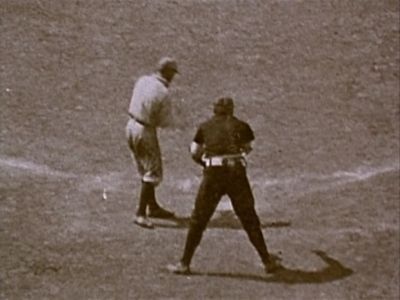
#16 - Third Inning: The Faith of Fifty Million People
Baseball - Season 1 - Episode 3
Third Inning, The Faith of Fifty Million People, examines the century's second decade, which was dominated by the Black Sox scandal. George Herman "Babe" Ruth makes his first major league appearance (as a member of the Boston Red Sox) and a wave of immigration helps fill the stands with new fans, eager to "become American" by learning America's game.
Watch Now:Apple TV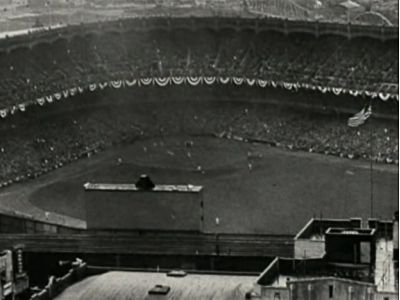
#17 - Seventh Inning: The Capital of Baseball
Baseball - Season 1 - Episode 7
Seventh Inning, The Capitol of Baseball, takes viewers through the 1950s when New York City had three successful baseball teams and dominated the World Series. By the end of the decade, the Giants and Dodgers had left New York, a signal that the old game was changed forever.
Watch Now:Apple TV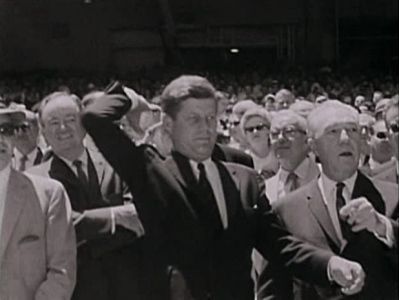
#18 - Eighth Inning: A Whole New Ballgame
Baseball - Season 1 - Episode 8
Eighth Inning, A Whole New Ball Game, moves the field to the 1960s. This episode traces the emergence of television, the expansion to new cities and the building of anonymous multipurpose stadiums that robbed the game of its intimacy and some of its urban following.
Watch Now:Apple TV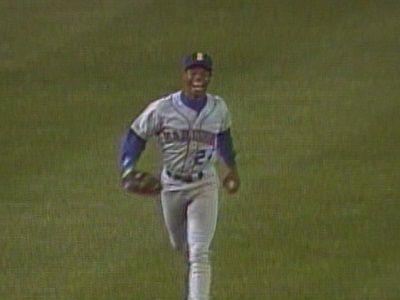
#19 - Top of the Tenth
Baseball - Season 2 - Episode 1
Part 1 of 2. Ken Burns' follow-up to "Baseball" picks up where the 1994 series left off. Included: the crippling 1994 strike; the influx of international players; Cal Ripken's consecutive-games streak; the thrilling 1998 home-run race between Mark McGwire and Sammy Sosa.
Watch Now:Apple TV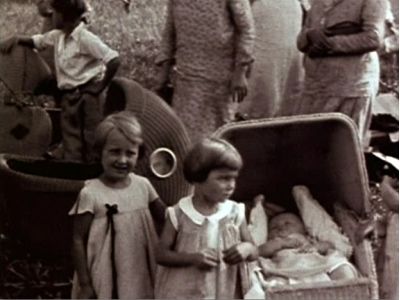
#21 - The Fire of Life (1910–1919)
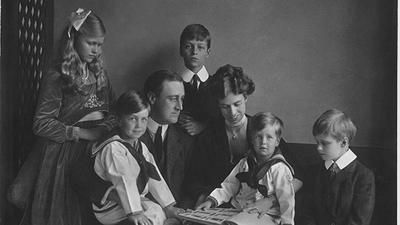
The Roosevelts: An Intimate History - Season 1 - Episode 3
Theodore Roosevelt leads a Progressive crusade that splits his own party, campaigns for American entry into World War I—and pays a terrible personal price. Franklin masters wartime Washington as Assistant Secretary of the Navy, while Eleanor finds personal salvation in war work. Her discovery of Franklin’s romance with another woman transforms their marriage into a largely political partnership.
#22 - A Necessary War
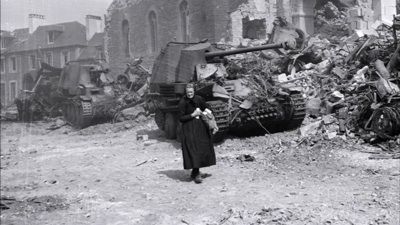
The War - Season 1 - Episode 1
December 1941-December 1942 After a haunting overview of the Second World War, an epoch of killing that engulfed the world from 1939 to 1945 and cost at least 50 million lives, the inhabitants of four towns — Mobile, Alabama; Sacramento, California; Waterbury, Connecticut; and Luverne, Minnesota — recall their communities on the eve of the conflict. For them, and for most Americans finally beginning to recover from the Great Depression, the events overseas seem impossibly far away. Their tranquil lives are shattered by the shock of the Japanese attack on Pearl Harbor, and America is thrust into the greatest cataclysm in history. Along with millions of other young men, Sid Phillips and Willie Rushton of Mobile, Ray Leopold of Waterbury and Walter Thompson and Burnett Miller of Sacramento enter the armed forces and begin to train for war. In the Philippines, two Americans thousands of miles from home, Corporal Glenn Frazier and Sascha Weinzheimer (who was 8 years old in 1941), are caught up in the Japanese onslaught there, as American and Filipino forces retreat onto Bataan while thousands of civilians are rounded up and imprisoned in Manila. Meanwhile, back home, 110,000 Japanese Americans all along the West Coast, including some 7,000 from Sacramento and the surrounding valley, are forced by the government to abandon their homes and businesses and are relocated to inland internment camps. On the East Coast, German U-boats menace Allied shipping just offshore, sending hundreds of ships and millions of tons of materiel to the bottom of the sea. The United States seems utterly unprepared for this kind of total war. Witnessing all of this is Katharine Phillips of Mobile, who remembers sightings of U-boats just outside Mobile Bay, and Al McIntosh, the editor of the Rock County Star Herald in Luverne, who chronicles the travails of every family in town. In June 1942, the Navy manages an improbable victory over the Japanese at the Battle of Midway. In August,
Watch Now:Apple TV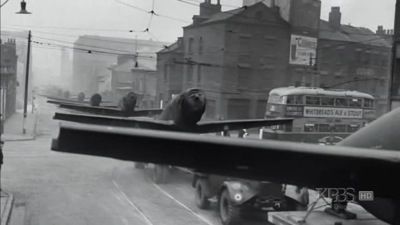
#23 - When Things Get Tough
The War - Season 1 - Episode 2
By January 1943, Americans have been at war for more than a year. The Germans, with their vast war machine, still occupy most of Western Europe, and the Allies have not yet been able to agree on a plan or a timetable to dislodge them. For the time being, they will have to be content to nip at the edges of Hitler’s enormous domain. American troops, including Charles Mann of Luverne, are now ashore in North Africa, ready to test themselves for the first time against the German and Italian armies.
Watch Now:Apple TV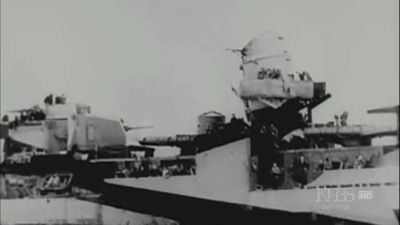
#24 - Pride of our Nation
The War - Season 1 - Episode 4
By June 1944, there are signs on both sides of the world that the tide of the war is turning. On June 6, 1944 — D-Day — in the European Theater, a million and a half Allied troops embark on one of the greatest invasions in history: the invasion of France. Among them are Dwain Luce of Mobile, who drops behind enemy lines in a glider; Quentin Aanenson of Luverne, who flies his first combat mission over the Normandy coast; and Joseph Vaghi of Waterbury, who manages to survive the disastrous landing on Omaha Beach, where German resistance nearly decimates the American forces
Watch Now:Apple TV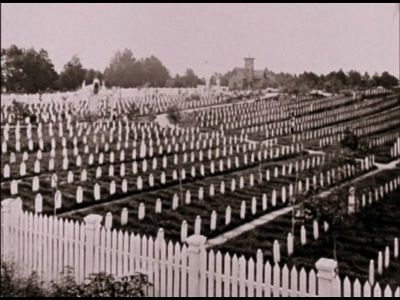
#25 - Valley of the Shadow of Death (1864)
The Civil War - Season 1 - Episode 6
Episode six begins with a biographical comparison of Ulysses S. Grant and Robert E. Lee and then chronicles the extraordinary series of battles that pitted the two generals against each other from the wilderness to Petersburg in Virginia. In 30 days, the two armies lose more men than both sides have lost in three years of war. With Grant and Lee finally deadlocked at Petersburg, we visit the ghastly hospitals north and south and follow General Sherman's Atlanta campaign through the mountains of north Georgia. As the horrendous casualty lists increase, Lincoln's chances for re-election begin to dim, and with them the possibility of Union victory.
Watch Now:Apple TV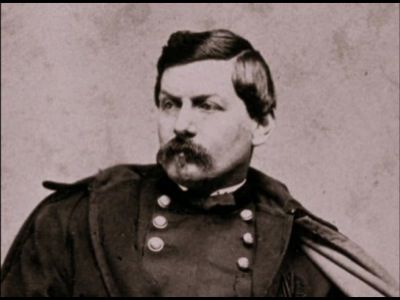
#26 - Forever Free (1862)
The Civil War - Season 1 - Episode 3
This episode charts the dramatic events that led to Lincoln's decision to set the slaves free. Convinced by July 1862 that emancipation was now morally and militarily crucial to the future of the Union, Lincoln must wait for a victory to issue his proclamation. But as the year wears on there are no Union victories to be had, thanks to the brilliance of Stonewall Jackson and Robert E. Lee. The episode comes to a climax in September 1862 with Lee's invasion of Maryland. On the banks of Antietam Creek, the bloodiest day of the war takes place, followed shortly by the brightest: the emancipation of the slaves.
Watch Now:Apple TV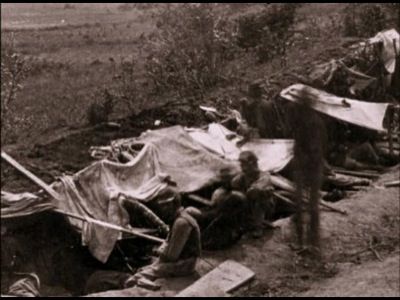
#27 - Most Hallowed Ground (1864)
The Civil War - Season 1 - Episode 7
The episode begins with the presidential election of 1864 that sets Abraham Lincoln against his old commanding general, George McClellan. The stakes are nothing less than the survival of the Union itself: with Grant and Sherman stalled at Petersburg and Atlanta, opinion in the North has turned strongly against the war. But 11th-hour victories at Mobile Bay, Atlanta, and the Shenandoah Valley tilt the election to Lincoln and the Confederacy's last hope for independence dies. In an ironic twist, poignantly typical of the Civil War, Lee's Arlington mansion is turned into a Union military hospital and the estate becomes Arlington National Cemetery, the Union's most hallowed ground.
Watch Now:Apple TV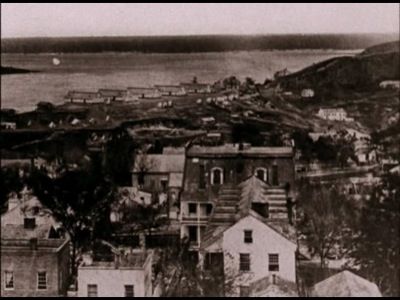
#28 - The Universe of Battle (1863)
The Civil War - Season 1 - Episode 5
This episode opens with a dramatic account of the turning point of war: the Battle of Gettysburg, the greatest ever fought in the Western Hemisphere. For three days 150,000 men will fight to the death in the Pennsylvania countryside, culminating in Pickett's legendary charge. This extended episode then goes on to chronicle the fall of Vicksburg, the New York draft riots, the first use of black troops, and the western battles at Chickamauga, Georgia and Chattanooga, Tennessee. The episode closes with the dedication of a new Union cemetery at Gettysburg in November, where Abraham Lincoln struggles to put into words what is happening to his people.
Watch Now:Apple TV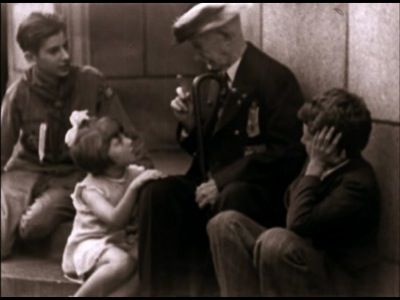
#29 - Simply Murder (1863)
The Civil War - Season 1 - Episode 4
The nightmarish Union disaster at Fredericksburg comes to two climaxes that spring: at Chancellorsville in May, where Lee wins his most brilliant victory but loses Stonewall Jackson; and at Vicksburg, where Grant's attempts to take the city by siege are stopped. During the episode we learn of fierce Northern opposition to Lincoln's Emancipation Proclamation, the miseries of regimental life and the increasing desperation of the Confederate homefront. As the episode ends, Lee decides to invade the North again to draw Grant's forces away from Vicksburg.
Watch Now:Apple TV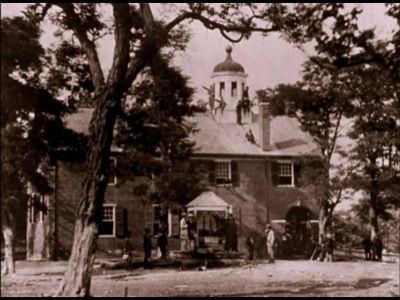
#30 - The Cause (1861)
The Civil War - Season 1 - Episode 1
Beginning with a searing indictment of slavery, this first episode dramatically evokes the causes of the war, from the Cotton Kingdom of the South to the northern abolitionists who opposed it. Here are the burning questions of Union and States' rights, John Brown at Harper's Ferry, the election of Abraham Lincoln in 1860, the firing on Fort Sumter and the jubilant rush to arms on both sides. Along the way the series' major figures are introduced: Abraham Lincoln, Frederick Douglass, Robert E. Lee, Ulysses S. Grant and a host of lesser-known but equally vivid characters. The episode comes to a climax with the disastrous Union defeat at Manassas, Virginia, where both sides now learn it is to be a very long war.
Watch Now:Apple TV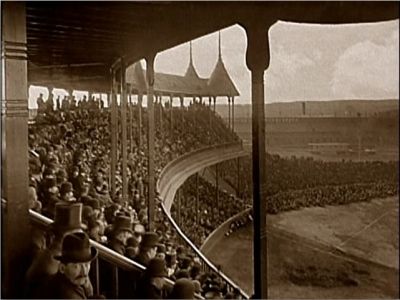
#31 - First Inning: Our Game
Baseball - Season 1 - Episode 1
First Inning, Our Game, looks at the origins of baseball in the 1840s and takes the story up to 1900. Burns refutes the myth that Abner Doubleday invented baseball in Cooperstown and traces its roots instead to the earliest days of the nation — there are records of a game called "Base" played at Valley Forge..
Watch Now:Apple TV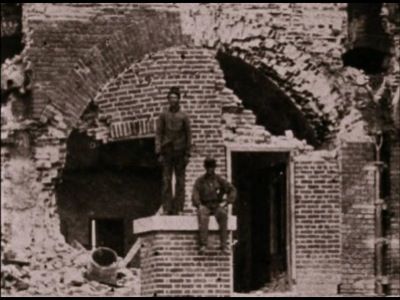
#32 - A Very Bloody Affair (1862)
The Civil War - Season 1 - Episode 2
1862 saw the birth of modern warfare and the transformation of Lincoln's war to preserve the Union into a war to emancipate the slaves. Episode Two begins with the political infighting that threatened to swamp Lincoln's administration and then follows Union General George McClellan's ill-fated campaign on the Virginia Peninsula, where his huge army meets a smaller but infinitely more resourceful Confederate force. During this episode we witness the battle of ironclad ships, partake of camp life, and watch slavery begin to crumble. We meet Ulysses S. Grant, whose exploits come to a bloody climax at the Battle of Shiloh in Tennessee. The episode ends with rumors of Europe's readiness to recognize the Confederacy.
Watch Now:Apple TV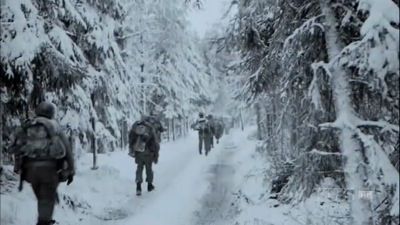
#33 - A Deadly Calling
The War - Season 1 - Episode 3
In fall 1943, after almost two years of war, the American public is able to see for the first time the terrible toll the war is taking on its troops when Life publishes a photograph of the bodies of three GIs killed in action at Buna.
Watch Now:Apple TV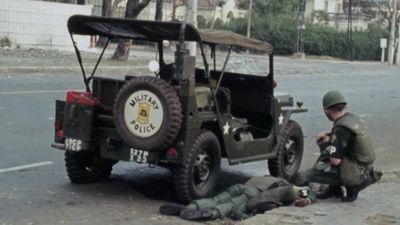
#34 - Things Fall Apart (January 1968–July 1968)
The Vietnam War (2017) - Season 1 - Episode 6
Shaken by the Tet Offensive, assassinations and unrest, America seems to be coming apart.
Watch Now:Apple TV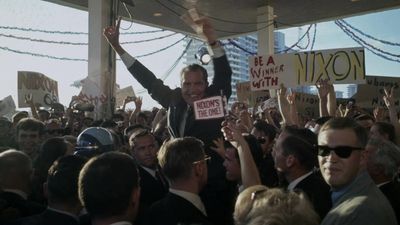
#35 - The Veneer of Civilization (June 1968–May 1969)
The Vietnam War (2017) - Season 1 - Episode 7
After chaos roils the Democratic Convention, Nixon, promising peace, narrowly wins the presidency.
Watch Now:Apple TV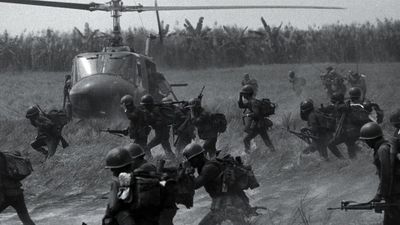
#36 - The History of the World (April 1969–May 1970)
The Vietnam War (2017) - Season 1 - Episode 8
Nixon withdraws troops but when he sends forces into Cambodia the antiwar movement reignites.
Watch Now:Apple TV#37 - Empire of the Air: The Men Who Made Radio
PBS Specials - Season 1992 - Episode 2
For 50 years radio dominated the airwaves and the American consciousness as the first “mass medium.” In Empire of the Air: The Men Who Made Radio, Ken Burns examines the lives of three extraordinary men who shared the primary responsibility for this invention and its early success, and whose genius, friendship, rivalry and enmity interacted in tragic ways. This is the story of Lee de Forest, a clergyman’s flamboyant son, who invented the audion tube; Edwin Howard Armstrong, a brilliant, withdrawn inventor who pioneered FM technology; and David Sarnoff, a hard-driving Russian immigrant who created the most powerful communications company on earth.
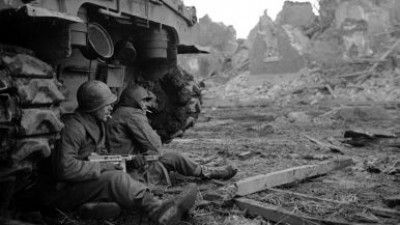
#38 - FUBAR
The War - Season 1 - Episode 5
By September 1944, in Europe at least, the Allies seem to be moving steadily toward victory. “Militarily,” General Dwight Eisenhower’s chief of staff tells the press, “this war is over.” But in the coming months, on both sides of the world, a generation of young men will learn a lesson as old as war itself — that generals make plans, plans go wrong and soldiers die. The Ghost Front was fought between September 1944 - December 1944.
Watch Now:Apple TV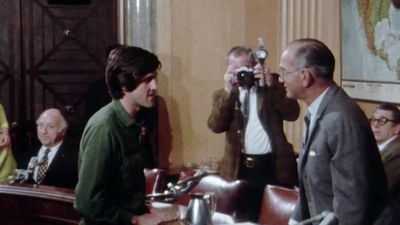
#39 - A Disrespectful Loyalty (May 1970–March 1973)
The Vietnam War (2017) - Season 1 - Episode 9
South Vietnam fights on its own as Nixon and Kissinger find a way out for America. The POWs return.
Watch Now:Apple TV#40 - Unforgivable Blackness: Fall
PBS Specials - Season 2010 - Episode 11
In Unforgivable Blackness, Johnson biographer Randy Roberts observes, "The press reacted [to Johnson's victory] as if Armageddon was here. That this may be the moment when it all starts to fall apart for white society." His victory spurred a search among whites for a "great white hope" who could beat Johnson and win back the title. They finally found him in Johnson's old nemesis, Jim Jeffries, who decided to return from retirement and give Johnson the fight he had always wanted. This fight was especially important to Johnson, because many whites had dismissed his claim to the title as invalid; Burns, it was argued, was never the true champion because he didn't win the title by beating Jeffries. No one had beaten Jeffries, and most thought he was certain to reclaim the title for whites. The Johnson-Jeffries fight, dubbed the "Battle of the Century," took place on July 4, 1910, in Reno, Nevada. Johnson knocked out Jeffries in the 15th round. Johnson's victory sparked a wave of nationwide race riots across in which numerous African-Americans died. Newspaper editorials warned Johnson and the black community not to be too proud. Congress eventually passed an act banning the interstate transport of fight films for fear that the images of Johnson beating his white opponents would provoke further unrest. Perhaps even more troubling for white America than Johnson's dominance over his white opponents in the boxing ring were his romantic entanglements with white women. One of his frequent traveling companions was Hattie McClay, a white prostitute. They were later joined by Belle Schreiber, also a white prostitute whom Johnson met in Chicago. "He wouldn't let anybody define him," says James Earl Jones in Unforgivable Blackness. "He was a self-defined man. And this issue of his being black was not that relevant to him. But the issue of his being free was very relevant." Johnson eventually married a white woman, Etta Duryea. Their relationship was troubled; Johnson dr
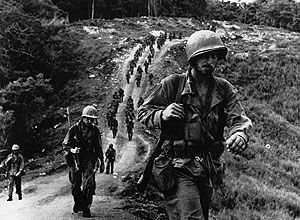
#41 - The Ghost Front
The War - Season 1 - Episode 6
By December 1944, Americans have become weary of the war their young men have been fighting for three long years; the stream of newspaper headlines telling of new losses and telegrams bearing bad news from the War Department seem endless and unendurable. The Ghost Front was fought between December 1944 - March 1945.
Watch Now:Apple TV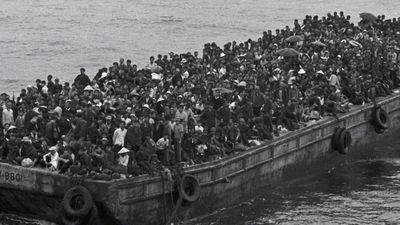
#42 - The Weight of Memory (March 1973–Onward)
The Vietnam War (2017) - Season 1 - Episode 10
Saigon falls and the war ends. Americans and Vietnamese from all sides search for reconciliation.
Watch Now:Apple TV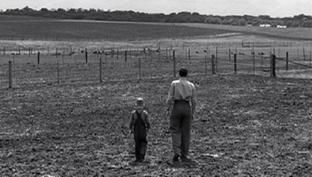
#43 - A World Without War
The War - Season 1 - Episode 7
In the spring of 1945, although the numbers of dead and wounded have more than doubled since D-Day, the people of Mobile, Sacramento, Waterbury and Luverne understand all too well that there will be more bad news from the battlefield before the war can end. That March, when Americans go to the movies, President Franklin Roosevelt warns them in a news reel that, although the Nazis are on the verge of collapse, the final battle with Japan could stretch on for A World Without War was between March 1944 - December 1945.
Watch Now:Apple TV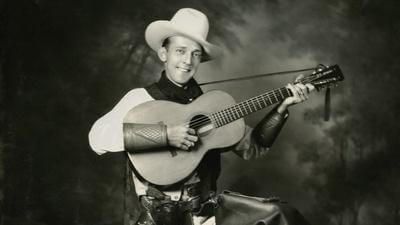
#44 - The Rub (Beginnings – 1933)
Country Music - Season 1 - Episode 1
See how what was first called "hillbilly music" reaches new audiences through phonographs and radio, and launches the careers of country music's first big stars, the Carter Family and Jimmie Rodgers.
Watch Now:Apple TV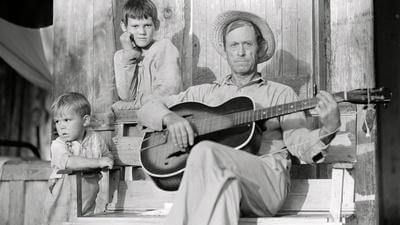
#45 - Hard Times (1933 – 1945)
Country Music - Season 1 - Episode 2
Watch as Nashville becomes the heart of the country music industry. The genre grows in popularity during the Great Depression and World War II as America falls in love with singing cowboys, Texas Swing and the Grand Ole Opry's Roy Acuff.
Watch Now:Apple TV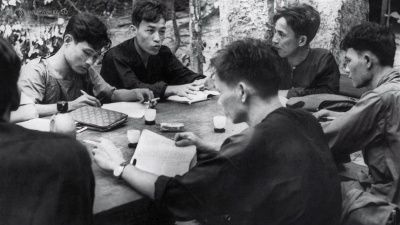
#46 - Déjà Vu (1858–1961)
The Vietnam War (2017) - Season 1 - Episode 1
After nearly a century of French colonial rule, Vietnam emerges independent, but divided.
Watch Now:Apple TV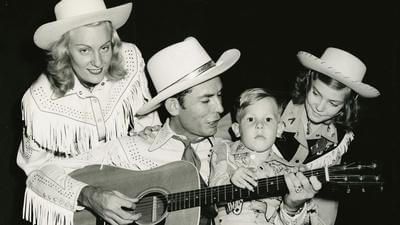
#47 - The Hillbilly Shakespeare (1945 – 1953)
Country Music - Season 1 - Episode 3
See how the bluegrass sound spreads in post-war America, and meet honky-tonk star Hank Williams, whose songs of surprisingly emotional depth are derived from his troubled and tragically short life.
Watch Now:Apple TV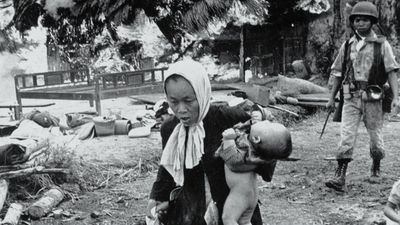
#48 - Riding the Tiger (1961–1963)
The Vietnam War (2017) - Season 1 - Episode 2
As a communist insurgency gains strength, JFK wrestles with American involvement in South Vietnam.
Watch Now:Apple TV#49 - Unforgivable Blackness: Rise
PBS Specials - Season 2010 - Episode 10
Jack Johnson — the first African-American Heavyweight Champion of the World, whose dominance over his white opponents spurred furious debates and race riots in the early 20th century — enters the ring once again in January 2005 when PBS airs Unforgivable Blackness: The Rise and Fall of Jack Johnson, a provocative new PBS documentary by acclaimed filmmaker Ken Burns. The two-part film airs on PBS Monday-Tuesday January 17-18, 2005, 9:00-11:00 p.m. ET (check local listings). Burns, whose past films on PBS (The Civil War, Baseball, JAZZ, etc.) are among the most-watched documentaries ever made, shows the gritty details of Johnson's life through archival footage, still photographs, and the commentary of boxing experts such as Stanley Crouch, Bert Sugar, the late George Plimpton, Jack Newfield, Randy Roberts, Gerald Early and James Earl Jones, who portrayed Johnson in the Broadway play and film based on Johnson's life, "The Great White Hope." "Johnson in many ways is an embodiment of the African-American struggle to be truly free in this country — economically, socially and politically," said Burns. "He absolutely refused to play by the rules set by the white establishment, or even those of the black community. In that sense, he fought for freedom not just as a black man, but as an individual." Johnson, who was born in 1878 in Galveston, Texas, began boxing as a young teenager in the Jim Crow-era South. Boxing was a relatively new sport in America, and was banned in many states. African-Americans were permitted to compete for most titles, but not for the title that whites considered their exclusive domain: Heavyweight Champion of the World. African-Americans were considered unworthy to compete for the title — not for lack of talent, but simply by virtue of not being white. Despite this, Johnson was persistent in challenging James J. Jeffries — the heavyweight champion at the time, who was considered by many to be the greatest heavyweight in history
#50 - The Shakers: Hands to Work, Hearts to God
PBS Specials - Season 1985 - Episode 3
They called themselves the United Society of Believers in Christ’s Second Appearing, but because of their ecstatic dancing, the world called them Shakers. Though they were celibate, they are the most enduring religious experiment in American history. They believed in pacifism, natural health and hygiene, and for more than 200 years insisted that their followers should strive for simplicity and perfection in everything they did. The Shakers put their "hands to work and their hearts to God," creating an exquisite legacy of fine furniture, glorious architecture and beautiful music that will remain and inspire long after the last Shaker is gone. Through diaries, archival photographs, music and stunning cinematography, Ken Burns creates a moving portrait of this particularly American movement, and in the process, offers us an unusually moving way to understand the Shakers.